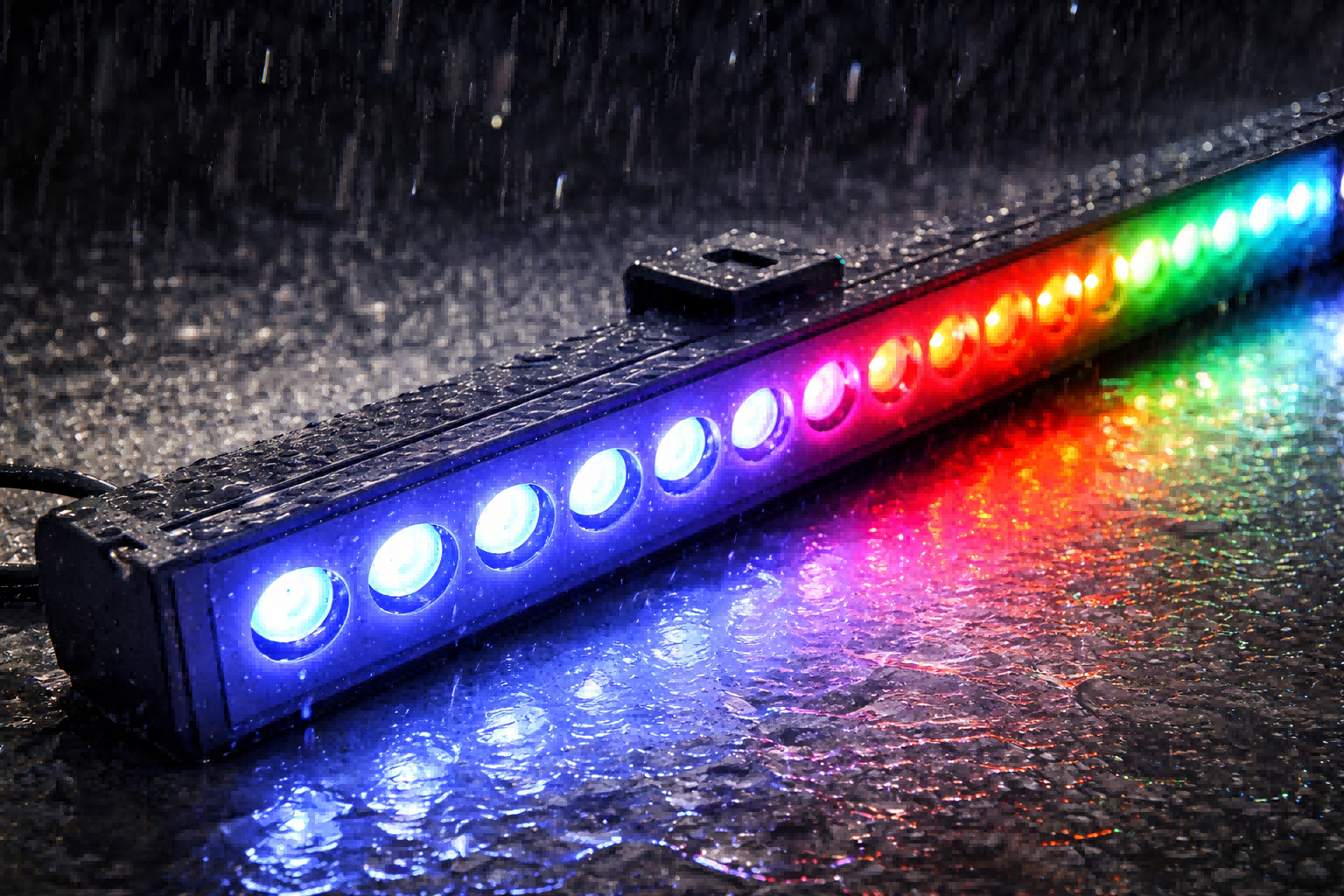
Comparing Commercial Linear Lighting Options for Large-Scale Projects
Introduction: Advanced LED linear lighting solutions with customizable size, wattage, and mounting enhance large-scale outdoor projects by balancing aesthetics, durability, and energy efficiency.
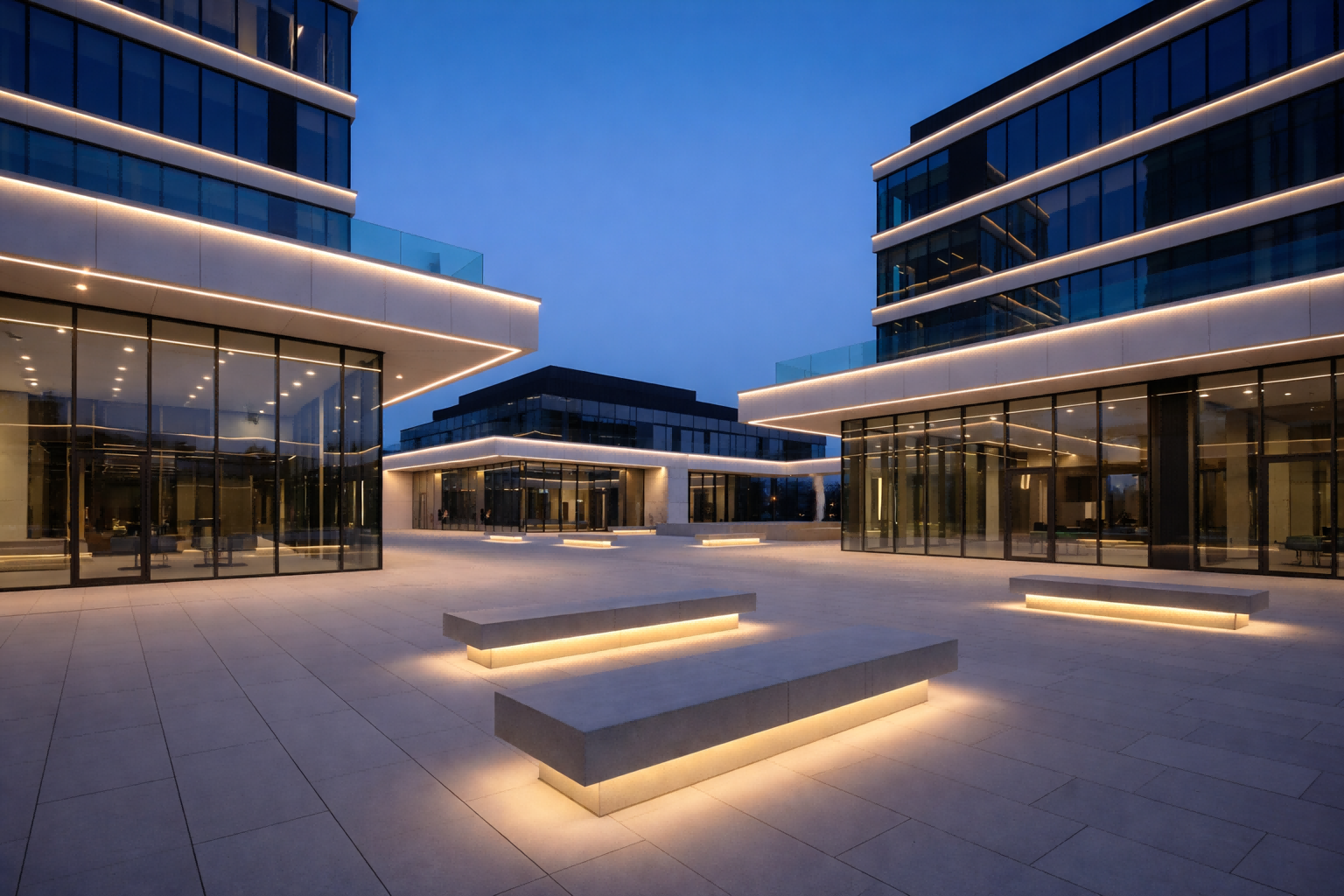
Imagine a sprawling urban plaza coming alive at dusk as sleek linear lights outline its architectural contours with precision and grace. Such impactful illumination often hinges on advanced LED linear lighting solutions, where outdoor landscape lighting manufacturers play a crucial role. Commercial projects that demand cohesion between aesthetics and functionality increasingly rely on such manufacturers to deliver consistent and customizable lighting systems. The ability to tailor size, mounting, and wattage to specific design intentions transforms outdoor spaces, highlighting features without overwhelming the viewer. For large-scale endeavors, selecting dependable LED linear lighting manufacturers capable of providing technical expertise alongside product versatility becomes essential in achieving both creative and operational success.
Evaluation criteria focusing on size, wattage, and mounting style customization
When selecting LED linear lighting manufacturers for comprehensive commercial projects, flexibility in size, wattage, and mounting options serves as a cornerstone criterion. Large-scale environments often necessitate lights tailored to unique architectural forms, enabling designers to emphasize structural lines with subtlety or intensity according to spatial demand. Outdoor landscape lighting manufacturers offering customization in length and beam angle allow integrative solutions that blend seamlessly into facades, bridges, or expansive public parks. Adjustable wattage enhances energy efficiency and reduces glare, ensuring lighting complements rather than competes with the natural night ambiance. Moreover, the ability to select from surface, recessed, or suspended mounting styles adds another layer of versatility, adapting fixtures to various installation challenges. These considerations ensure that LED linear lighting manufacturers meet the diverse demands of a project, striking a balance between visual appeal, durability, and functional performance.
Assessing material quality and ISO certifications in LED linear light manufacturing
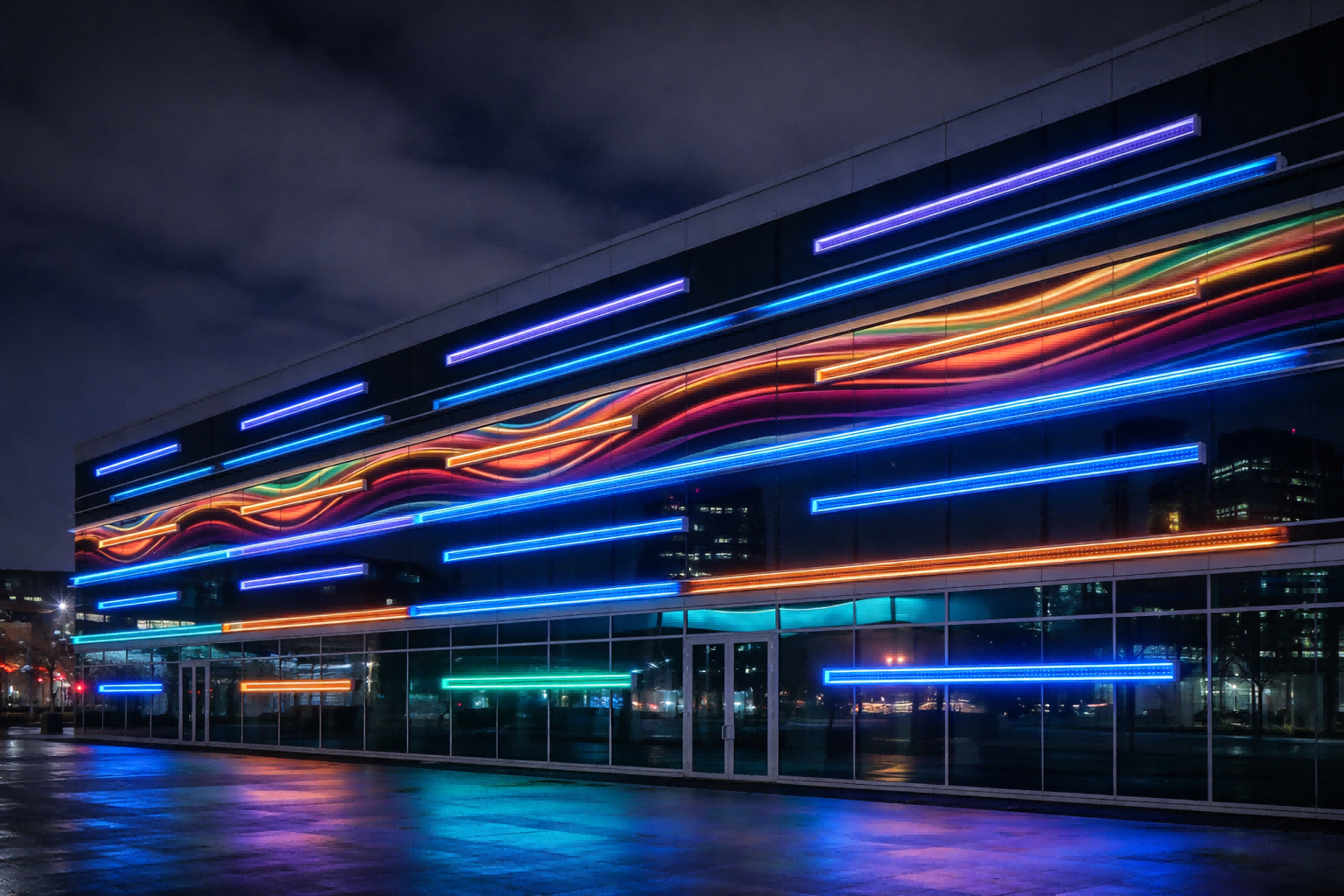
Material integrity and compliance with industry standards often distinguish the most reliable outdoor landscape lighting manufacturers in LED linear applications for large projects. Superior quality LEDs, combined with housing materials engineered for weather resistance, define the lifespan and performance under challenging environmental conditions. Manufacturers that adhere to ISO certifications demonstrate a commitment to consistent production processes and stringent quality assurance. Such standards are particularly valuable when durability is pivotal—for example, in coastal or urban spaces exposed to moisture, pollutants, or temperature fluctuations. Electrostatic coatings and UV-resistant lens covers protect from corrosion and color shift, maintaining aesthetic precision over time. For LED linear lighting manufacturers, integrating these quality markers intersects with functional innovation, providing stakeholders confidence that lighting installations will preserve their intended appearance and efficacy throughout extended use.
Technical support and after-sales services that improve project outcomes
Beyond product specifications, technical support and comprehensive after-sales service offered by outdoor landscape lighting manufacturers significantly impact project outcomes and long-term satisfaction. Complex commercial installations often demand tailored design assistance, including layout planning and compatibility verification with existing electrical infrastructure. Reputable LED linear lighting manufacturers frequently provide this consultative support to optimize fixture placement, ensuring consistency and uniformity across vast areas. Additionally, responsive customer service during and post-installation addresses troubleshooting or upgrades efficiently, reducing potential downtime. Such engagement encourages a collaborative relationship that extends beyond initial purchase, benefiting property managers and design teams alike. The reassurance of ongoing maintenance advice coupled with warranty coverage underscores a partnership where quality and reliability are prioritized, enhancing the operational lifecycle of lighting systems in large-scale outdoor environments.
Conclusion
The relationship between LED linear lighting manufacturers and outdoor landscape lighting manufacturers is pivotal in realizing projects that blend durability, adaptability, and design integrity. If you are seeking solutions that harmonize adjustable wattage and mounting versatility with proven material quality and supportive service, these manufacturers continue to develop products responsive to modern architectural illumination challenges. Their collaborative efforts foster lighting strategies that illuminate spaces distinctly while enduring environmental demands gracefully.
Frequently Asked Questions
Q1: What factors should be considered when choosing LED linear lighting for large-scale projects?
Key factors include fixture size, wattage, beam angle, and mounting style. For large-scale outdoor projects, customization is critical to ensure the lighting integrates seamlessly with architectural features while maintaining energy efficiency and visual comfort.
Q2: Why is wattage flexibility important in commercial linear lighting?
Adjustable wattage allows designers to control brightness levels according to the project environment. This helps reduce energy consumption, minimize glare, and create balanced illumination for large outdoor spaces such as plazas, bridges, and building facades.
Q3: What mounting options are available for LED linear lighting fixtures?
Common mounting options include surface-mounted, recessed, and suspended installations. Each option serves different architectural needs, enabling flexible integration into facades, landscapes, or structural elements.
Q4: How do material quality and certifications affect LED linear lighting performance?
High-quality materials and certifications like ISO standards ensure durability, consistency, and long-term performance. Features such as corrosion-resistant coatings and UV-resistant lenses help maintain lighting quality in harsh outdoor environments.
Q5: What role does technical support play in large lighting projects?
Technical support is essential for layout planning, system integration, and troubleshooting. Reliable manufacturers provide design assistance and after-sales services to ensure smooth installation and long-term system performance.
Q6: Are LED linear lights suitable for harsh outdoor environments?
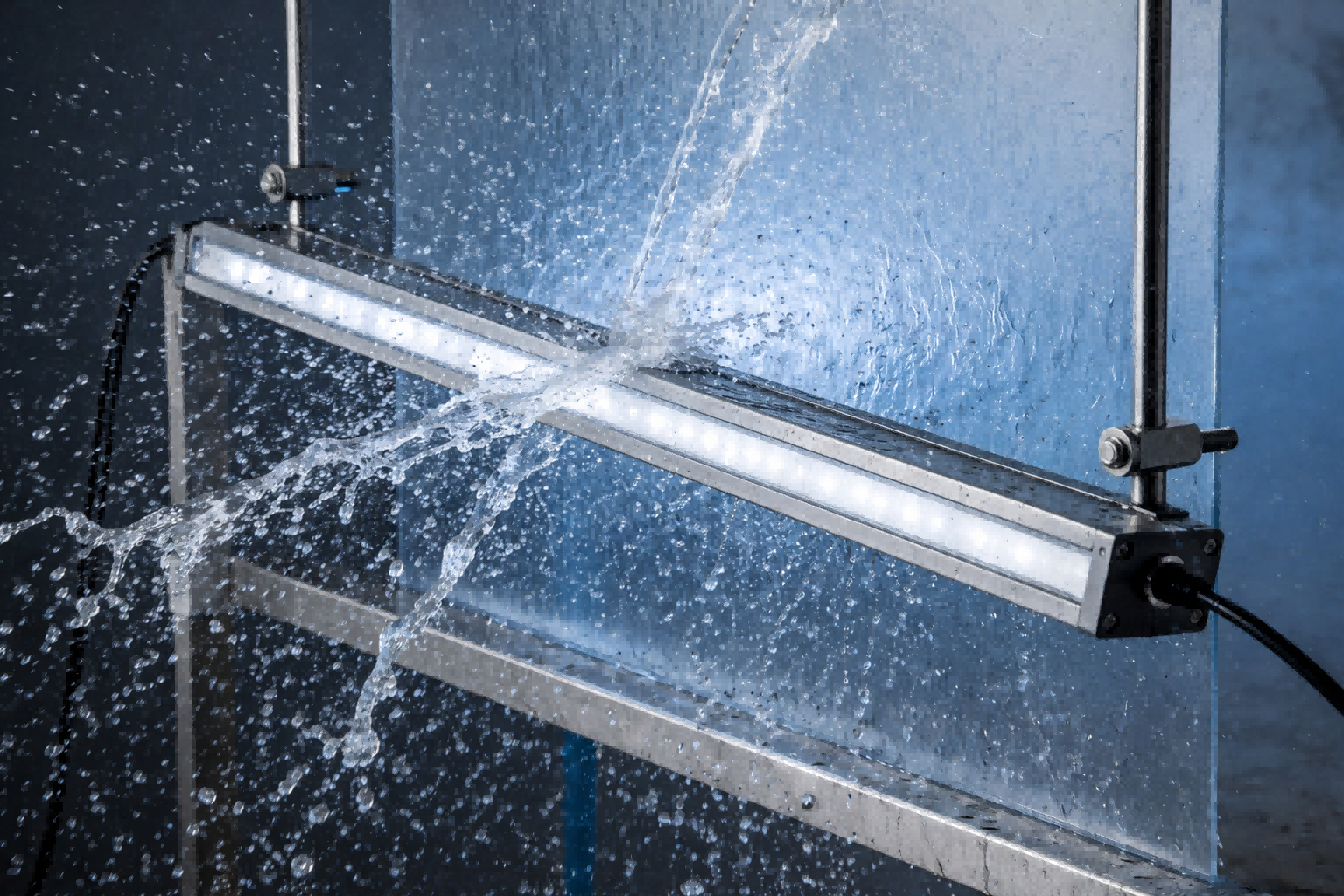
Yes, most commercial-grade LED linear lights are designed with weather-resistant features such as high IP ratings, corrosion protection, and durable housing materials, making them ideal for outdoor and large-scale applications.
Q7: How do LED linear lighting systems improve energy efficiency in commercial projects?
LED linear lighting systems consume less power while delivering high luminous efficacy. Combined with smart controls and adjustable wattage, they significantly reduce operational costs over time.